A corroded, leaking or failing grease trap does not always have to be dug up and replaced. In most cases the existing chamber can be cleaned, repaired and resealed in place with an industrial protective coating that restores a smooth, watertight and chemically resistant surface. The result is a grease trap returned to compliant service with decades of added life, and without the cost, disruption and waste of excavation.
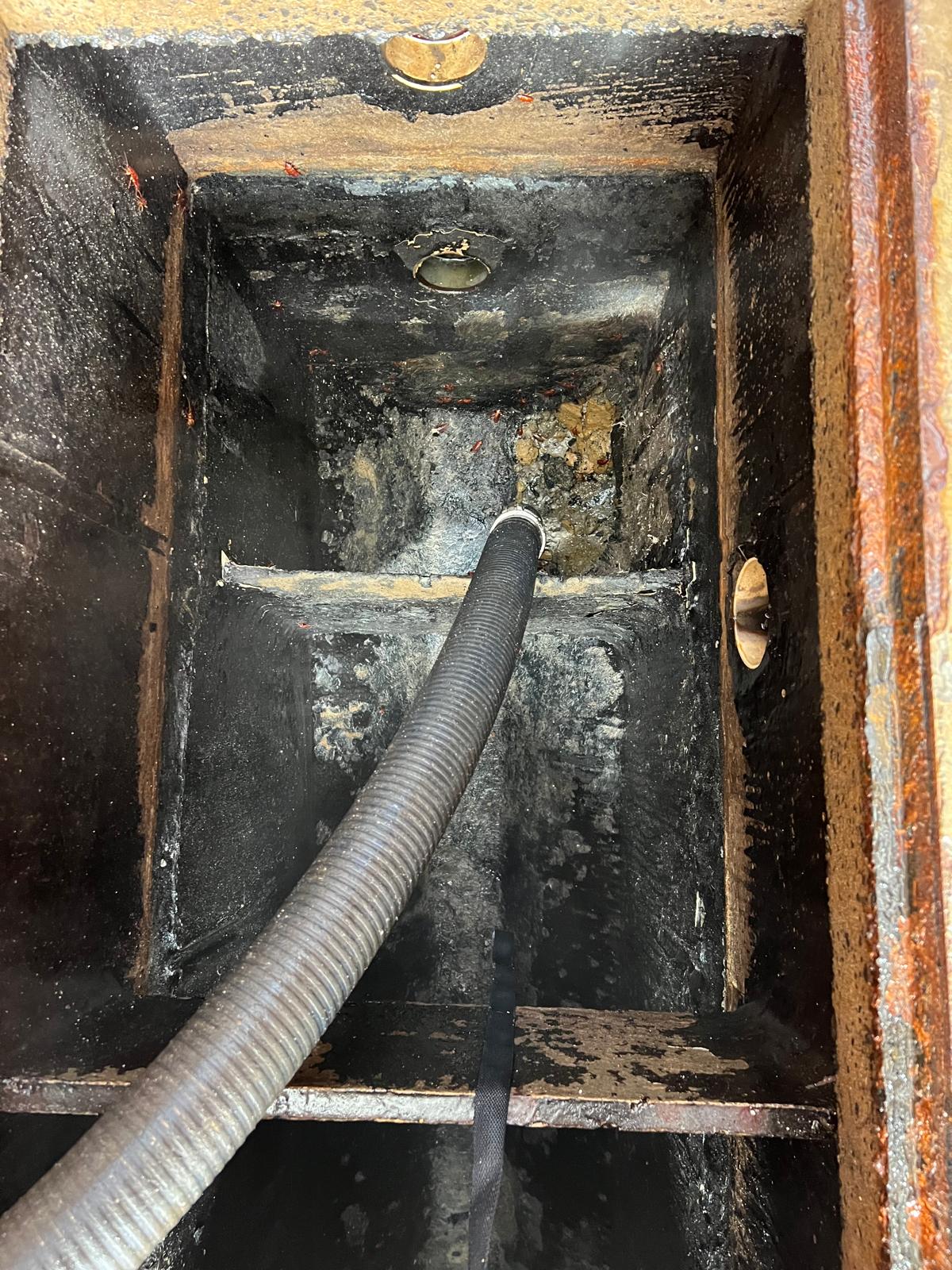 Before
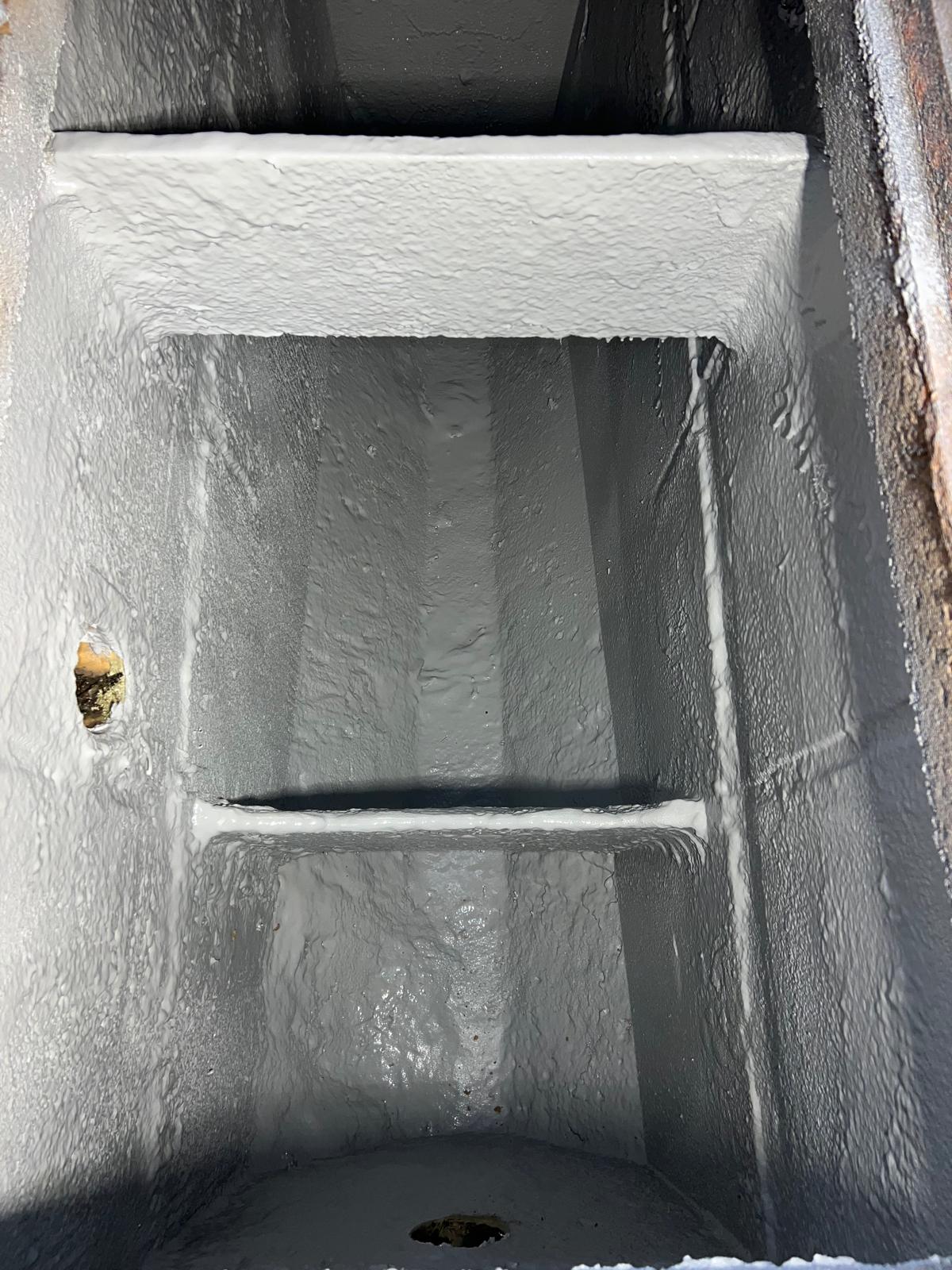 After
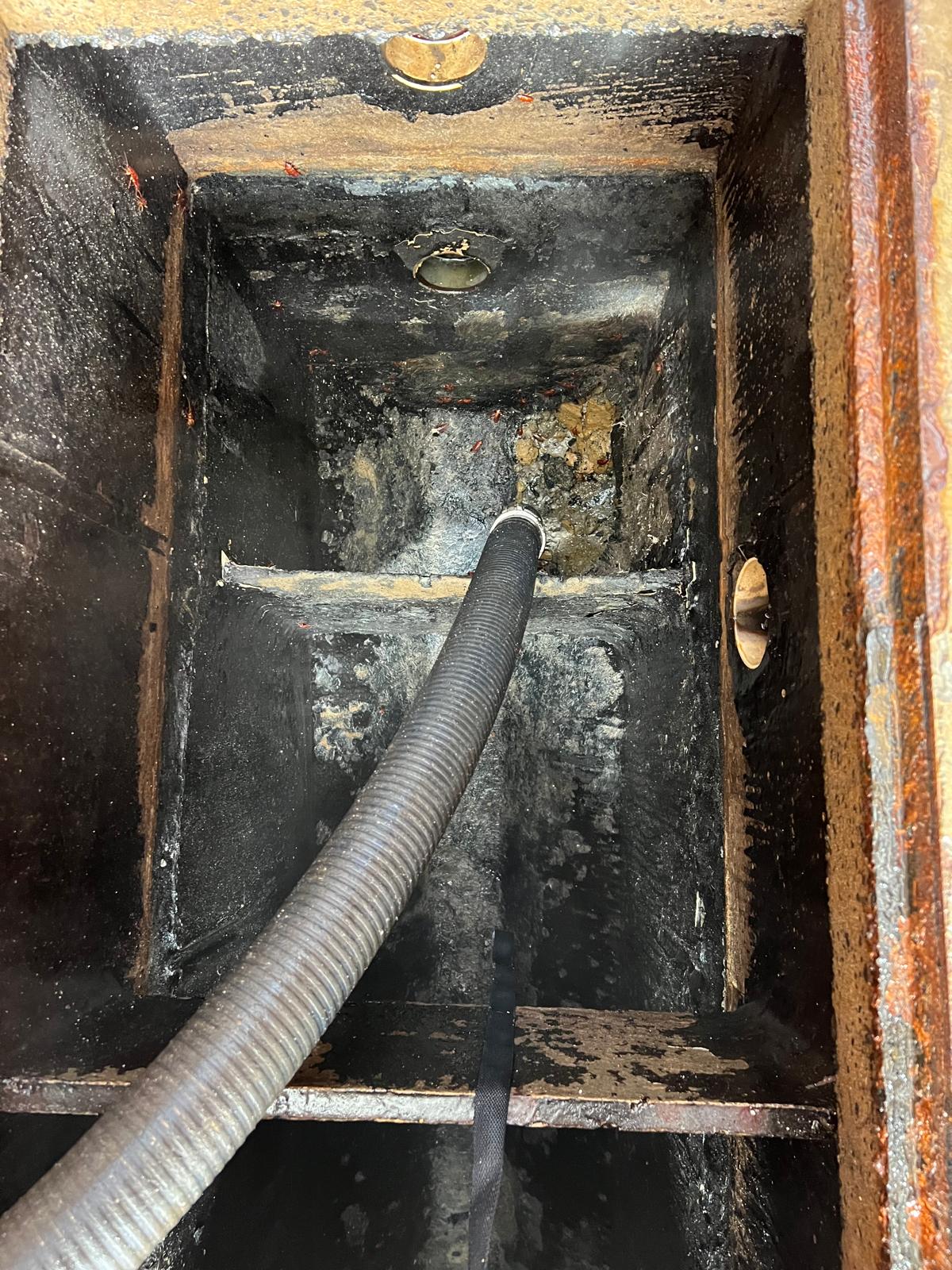
After
Before and after: a heavily corroded grease trap chamber restored in place with a seamless protective coating.
Why grease traps deteriorate
Grease traps work in one of the most aggressive environments on any commercial or residential site. They hold a constant mix of fats, oils and grease, food acids, detergents and warm wastewater, and they generate hydrogen sulphide gas as organic matter breaks down. Over time this combination attacks concrete and mortar. Surfaces soften, aggregate becomes exposed, joints open up and cracks form.
Left untreated, the chamber begins to leak, allowing wastewater to escape into the surrounding ground or stormwater. That brings odour, failed pump-out inspections and a real risk to trade waste compliance. For strata managed buildings and commercial kitchens, the problem rarely surfaces at a convenient time. It usually arrives as a tenant complaint, a failed inspection or a notice from the water authority.
Repair or replace? Why refurbishment usually wins
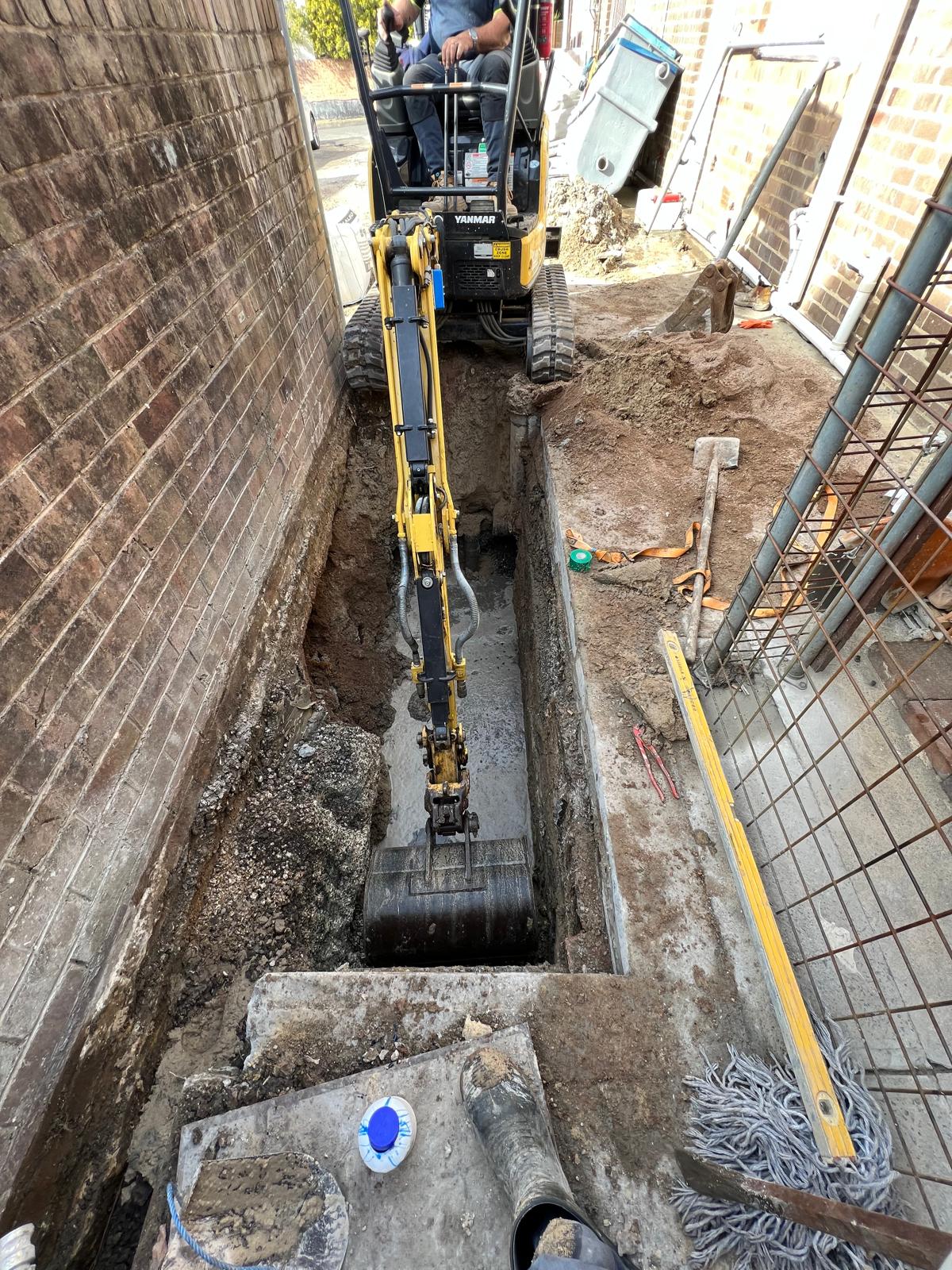
The conventional response to a failing grease trap is full replacement. That means excavating the chamber, breaking out and removing the old tank, managing traffic and pedestrian access around an open excavation, disposing of the old concrete, installing a new tank, and then reinstating the pavers, driveway or surfaces above it. On an operating site it can mean days of disruption and a kitchen or building out of action.
Refurbishment takes a different path. The existing chamber is cleaned, prepared, repaired and lined in place with an industrial protective coating. There is no excavation, no demolition and no new tank. In most cases the asset is back in service in a fraction of the time, and the structure the client has already paid for is preserved rather than thrown away. You can read more about our approach on our industrial and protective coating capabilities page.
The sustainability case for refurbishing grease traps
Refurbishing a grease trap rather than replacing it delivers a clear environmental benefit, and it is becoming an important consideration for strata committees and commercial operators working to sustainability and ESG commitments. By restoring the existing chamber in place, refurbishment:
- Avoids sending an old concrete tank to landfill, along with the demolition waste that comes with removing it.
- Avoids the embodied carbon of manufacturing and transporting a replacement tank.
- Reduces excavation, heavy machinery use and truck movements, and the emissions that go with them.
- Preserves existing infrastructure and extends its service life instead of starting again.
Refurbishment turns a disposal and replacement cycle into a repair and protect cycle. For asset owners reporting on sustainability, it is a straightforward way to reduce the environmental footprint of essential maintenance while still achieving a fully compliant, long-life result.
How grease trap refurbishment works
Hydro Logic delivers grease trap refurbishment as a controlled, staged process:
- Inspection and condition assessment, to confirm the chamber is suitable for in-place refurbishment and to identify the extent of repair required.
- Pump-out and high-pressure cleaning, to remove all waste, grease and contamination.
- Surface preparation, to create a sound, clean profile for the coating to bond to.
- Substrate and crack repair, to rebuild damaged areas and restore the structure.
- Application of an industrial protective coating in layers, forming a seamless, watertight and chemically resistant lining.
- Cure and return to service, with the asset back in operation quickly.
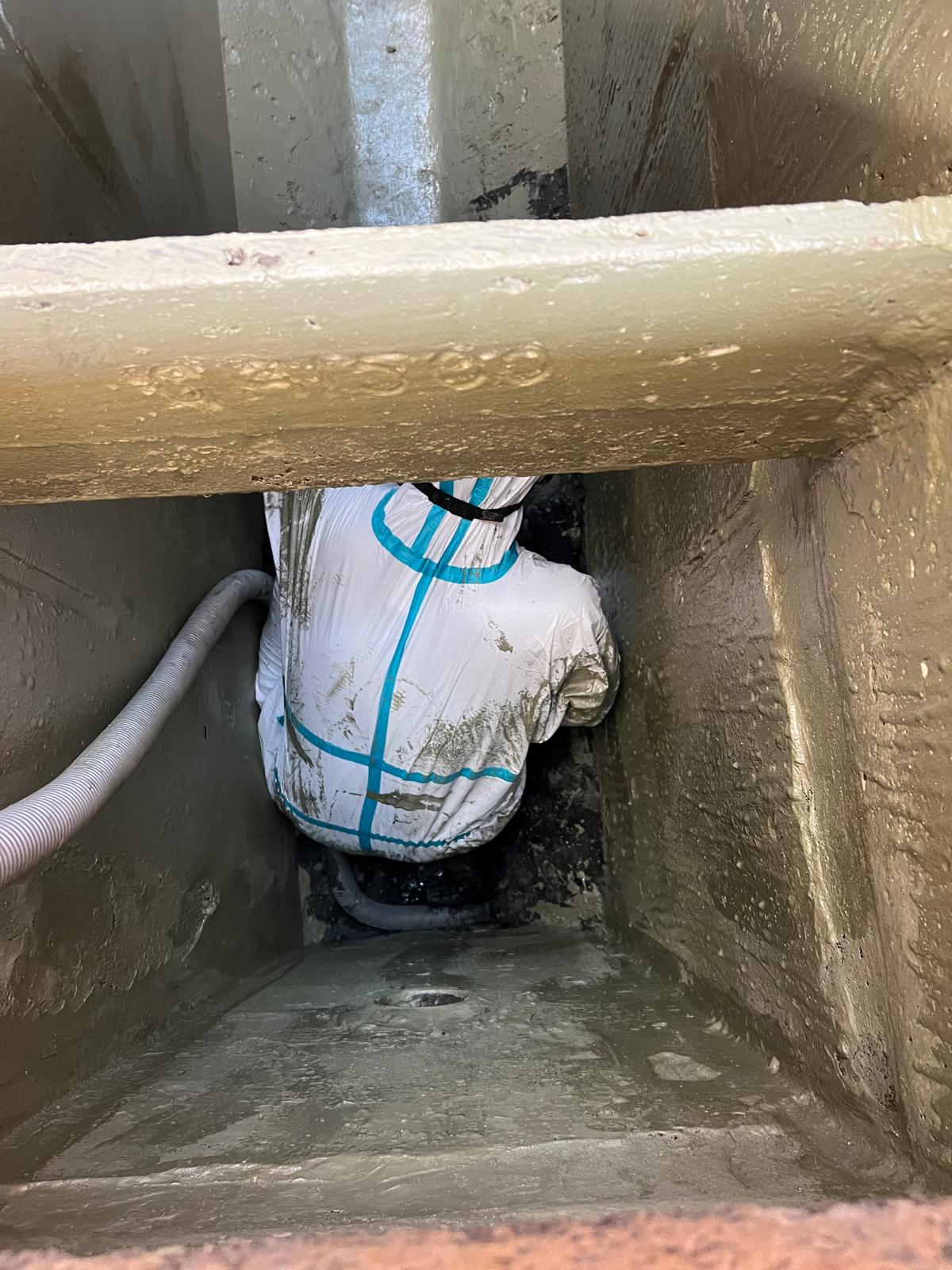
All of this is carried out by technicians who hold confined space and relevant trade accreditations, working under full safety controls. Hydro Logic is CM3 certified and maintains work health and safety systems aligned with ISO 45001, so the work integrates cleanly with strata, building and Tier-1 contractor management requirements.
How long does a refurbished grease trap last?
The lining systems Hydro Logic uses are selected for long-term durability in aggressive wastewater environments. Depending on the system and application, refurbished assets can be supported by warranties of up to ten years, with a service life measured in decades. The finished coating is seamless, chemically resistant and watertight, which is exactly what a grease trap needs to keep performing and stay compliant.
Built for strata and commercial premises
For strata managed residential and commercial properties, refurbishment avoids the cost and friction of a major excavation on a live site, minimises disruption to residents and retail tenants, and provides a documented, compliant outcome that is easy to report to an owners corporation. In many cases it removes the need for a special levy to fund a full replacement.
For commercial kitchens and food processing facilities, the priority is staying open. Refurbishment returns the asset to service quickly, restores trade waste compliance, and is delivered with the safety and access controls that operating food premises require.
Project Spotlight
King Street Wharf, Sydney
King Street Wharf is one of Sydney's busiest dining and hospitality precincts, where grease traps work hard around the clock. Hydro Logic was engaged to refurbish a heavily used grease trap serving this high-volume commercial kitchen environment. Rather than excavate and replace the chamber in a tightly constrained, operational location, the team cleaned, repaired and relined it in place with an industrial protective coating, restoring a watertight, chemically resistant finish and returning it to compliant service with minimal disruption to the precinct.
Frequently asked questions
-
Can a grease trap be repaired instead of replaced?
In most cases, yes. If the chamber is structurally sound enough to be repaired, it can be cleaned, prepared and relined in place with an industrial protective coating, avoiding excavation and replacement.
-
How long does grease trap refurbishment take?
Most refurbishments are completed in a short, planned window rather than the extended timeframe a full excavation and replacement requires. The exact duration depends on the size and condition of the chamber.
-
Will a refurbished grease trap stay compliant?
Yes. A correctly refurbished grease trap is restored to a watertight, chemically resistant condition suitable for ongoing trade waste compliance.
-
How long will a refurbished grease trap last?
Depending on the system and application, refurbished assets can be supported by warranties of up to ten years, with a service life measured in decades.
-
Is refurbishment more sustainable than replacement?
Yes. It preserves the existing structure and avoids landfill, the embodied carbon of a new tank, and the excavation and transport emissions of a full replacement.